
What Is a Clinical Trial?
Researchers conduct clinical trials to try to learn if an experimental new drug works and is safe in humans in order for it to be approved. Clinical trials may also study a medical device or a medical procedure.
The clinical trial journey.
Clinical Trial Phases
It takes a lot of research to develop a new drug treatment. Clinical trials are done in several steps, also called “phases”. Each phase has a specific purpose. The phases are designed to answer certain questions about the experimental drug being tested while aiming to keep the participants in each trial as safe as possible.
 Pre-clinical
 Phase 1
 Phase 2
 Phase 3
 Phase 4
Researchers study experimental drugs in a lab before studying in humans. This type of research study is called a "pre-clinical trial". The goal is to collect information about the experimental drugs. Then researchers ask the government and other independent groups for permission to begin a clinical trial in humans. Pre-clinical trials are required before the experimental drug can be studied in humans.
Steps of Clinical Trials

Pre-screening
You talk with the research team to learn about the clinical trial and to determine whether or not you meet the guidelines for participating in the trial.
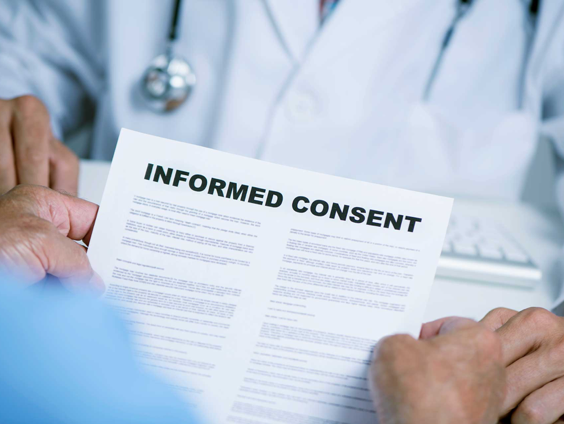
Complete Informed Consent
If you want to participate in the clinical trial after talking with the research team, you must sign an informed consent form that explains your rights and details about the trial. You can withdraw your consent from the clinical trial at any time.
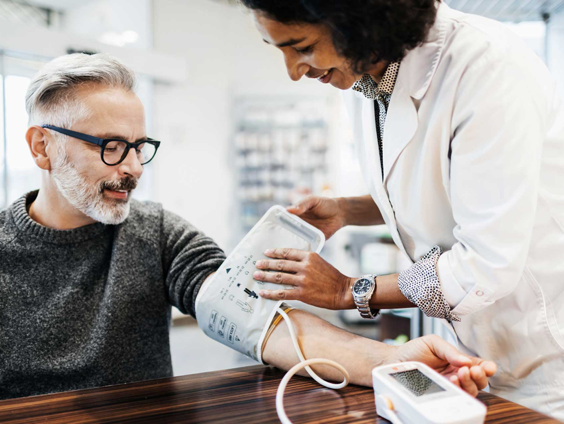
Screening
The research team reviews your medical history and does a physical exam.

Enrollment
You join the clinical trial.

Clinical Trial Participation
Your clinical trial visits may be days, weeks, or months apart. They may include physical exams, questionnaires, or other procedures.

End of Clinical Trial
The research team may follow up with you to see how you are doing after ending your clinical trial participation.
Frequently Asked Questions
- All patients should discuss their plans to participate in a clinical trial with their personal doctors.
- All clinical trial participants should discuss their questions and concerns with members of the research team conducting the trial. See below for potential questions participants might ask before joining a clinical trial.
- Participating in a clinical trial takes time, commitment, and careful consideration.
- The clinical trial could end at any time. Even if the participant wants to continue to participate, the company making the experimental drug could stop the clinical trial.
- Clinical trial participants may not have their condition improve.
- Clinical trial participants may not have the opportunity to access the experimental drug after the clinical trial has ended.
- Clinical trial participants may experience unwanted adverse effects from the experimental drug.
- Clinical trial participants may be assigned to receive the experimental drug, placebo or a comparator.
Requirements, also called “eligibility criteria”, can be related to age, gender, the type and stage of a medical condition or disease, previous treatment, and other medical conditions.
“Inclusion criteria” are the requirements a person must meet to be considered for the clinical trial. Allowing only certain participants to join a clinical trial helps researchers figure out if the results of the clinical trial are caused by the experimental drug and not by other factors.
“Exclusion criteria” are a list of conditions and reasons that might prevent a person from being in a clinical trial. These criteria may help protect people whose health may become worse if they joined the clinical trial.
Yes. A participant can leave a clinical trial at any time and for any reason. Participants may choose to tell the research team when they are leaving and why, but they are not obligated to do so.
It is important for people to ask questions before deciding to join a clinical trial. Some questions people might want to ask their doctor or nurse are below.
The clinical trial
- What is the purpose of the clinical trial?
- Why do the researchers think the experimental drug being tested may work? Has it been tested before?
- Does the clinical trial involve a treatment that is already on the market or a placebo? What are the chances of receiving the experimental drug, treatment that is already on the market, or placebo?
- Will I know which treatment I am receiving in the clinical trial?
- Who is sponsoring the clinical trial?
- Who has reviewed and approved the clinical trial?
- What is the medical background and experience of the researchers and other staff?
- How will the results of the clinical trial and safety of the participants be monitored?
- How long will the clinical trial last?
- When and how will the results of the clinical trial be shared?
Benefits and Risks
- What are the benefits that the participants may have right away?
- What are the benefits that the participants may have over a long time?
- What are the risks, such as adverse effects, that the participants may have right away?
- What are the risks that the participants may have over a long time?
- How do the risks and possible benefits of the experimental drug compare with the risks and benefits of other treatments?
- What are the options if a participant is injured during the trial?
Participation and care
- What kinds of treatment, medical tests, or procedures will the participants have during the clinical trial?
- What other treatments are available?
- How often will participants get the experimental drug, or have tests or procedures done?
- Who will know what experimental drug the participants get during the clinical trial? Will participants know? Will the research team know?
- Will the experimental drug, tests, or procedures hurt? If so, how can the pain be controlled?
- How do the tests in the clinical trial compare with what patients not in the trial get?
- Can participants take their regular medications while in the clinical trial?
- If a participant benefits from the experimental drug, can he or she keep getting it after the clinical trial ends?
- Where will the participants get their medical care? Will they be in a hospital? If so, for how long?
- Who will be in charge of the participants’ care? Will participants be able to see their own doctors?
- How long will participants need to stay in the clinical trial? Will there be follow-up visits after the clinical trial?
Personal issues
- How could being in the clinical trial affect the participants’ daily lives?
- What support is available for the trial participants and their families?
- Can a potential participant talk with participants already in the clinical trial?
- Can anyone find out if participants are in the clinical trial?
Cost issues
Costs can depend on a country’s laws and a participant’s health insurance.
- Will participants have to pay for any treatment, tests, or other charges? If so, how much will it be?
- Will participants’ health insurance have to cover some of the cost?
- Will participants be reimbursed for other expenses, such as travel, parking, and childcare?
- Where can participants find more information about cost issues?
Clinical research done in people must follow strict rules. Every clinical trial has a plan called a “protocol”. The protocol is a set of instructions that everyone in the clinical trial must follow. It is the plan for how the clinical trial will be carried out.
Before a clinical trial begins, it must be approved by a government department (such as the FDA in the United States of America or the European Medicines Agency in Europe) and other organizations (such as Ethics Committee). Different countries require different approvals. Approvals seek to ensure that trial participants rights and welfare are protected from unreasonable risks. Nonetheless, while efforts are made to control the risks to participants, some risks may be unavoidable since clinical trials are designed to learn more about an experimental drug.
A “placebo” looks like the experimental drug but does not have any medicine in it. In clinical trials, new drugs are sometimes compared with placebos. Some participants are given a placebo instead of the experimental drug. This helps to see if any effects seen are actually caused by the experimental drug being studied.
“Informed consent” is a process to make sure a participant understands important information about a clinical trial before agreeing to be in the clinical trial. Information includes the purpose of the clinical trial, rights as a participant, the experimental drugs used, and the risks and benefits.
If you are considering participating in a clinical trial, you can ask the doctors and nurses questions about the clinical trial to decide if you feel comfortable joining. You can also talk with family, friends, or your personal doctor before you decide if you will participate.
You decide if you want to participate or not in the clinical trial and sign the consent form. The informed consent can be translated into other languages for the clinical trial participant. No one should pressure or influence your decision in any way. Parents or guardians decide whether children can participate in a clinical trial, and whether to sign the consent form on their behalf.
If a participant decides to join a clinical trial, he or she must sign an informed consent form. Signing the form indicates that the participant understands the trial is research and that he or she can leave a clinical trial at any time. The research staff will help the participant do it safely.
If new benefits, risks, or medical problems are discovered during the clinical trial, the researchers must tell the participants. Participants may need to sign a new informed consent form to stay in the clinical trial.
If a patient does not meet the eligibility criteria to join a clinical trial, they should speak with their doctor or other healthcare provider to learn about what other options there are.
Below is a list of sources where more information about clinical trials may be found:
- The U.S. National Institute of Health (NIH) requires that many clinical trials be posted on the website www.clinicaltrials.gov.
- CenterWatch, keeps the New Medical Therapies™ (NMT™) database offering a concise overview of investigational therapies for a specific disease or condition. To search the NMT™ results, select a therapeutic area.
- For trials involving an experimental cancer drug, visit the National Cancer Institute (NCI).